Agronomy Update
Wheat Insect Pests Showing Up at Harvest
We've received reports of two insect pests in fields this harvest season: wheat midge and wheat head armyworm. It can be frustrating to discover these issues at harvest, when the opportunity for control has already passed. Damage from these pests is sporadic, so problems this year do not necessarily mean you will experience issues next year. However, we can document affected fields and monitor them throughout the next growing season. More information about the lifecycle and management of each pest is provided below.
Wheat Midge
A significant pest of wheat in North Dakota since the 1990s, wheat midge is a sporadic threat where pest pressure varies significantly across growing seasons. This insect overwinters as cocoons, which can hatch the following year or stay dormant for up to 13 years depending on environmental conditions. This dormant state, known as diapause, is induced by dry soil conditions. Heavy rain in June favors wheat midge larval development and is associated with significant outbreaks. Given the heavy rain we had this June, that likely contributed to issues observed this harvest.
After the larvae emerge from the cocoon, they pupate and enter the adult stage (pictured below) in mid-June to mid-July.
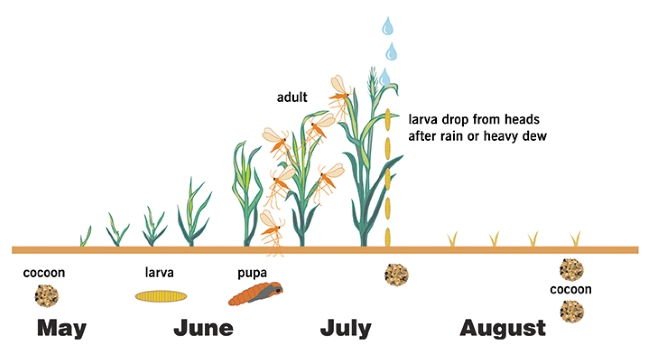
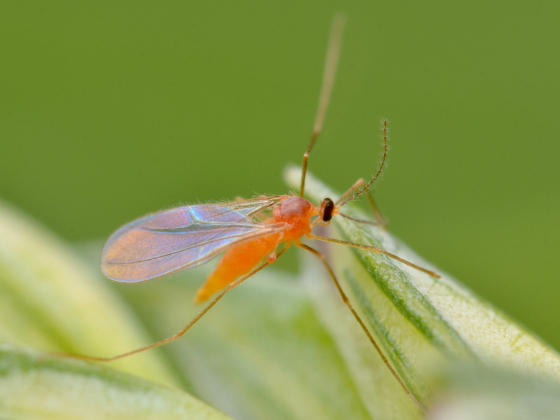
The female adults are poor flyers but can move from the site of emergence to wheat fields via wind. They lay their eggs on wheat heads between head emergence and earlier flowering, typically at dusk. High relative humidity and calm conditions favor egg deposition. Winds above 6 mph can inhibit egg-laying. When the larvae hatch they feed on the developing kernels for two to three weeks before forming a cocoon and dropping to the soil surface.
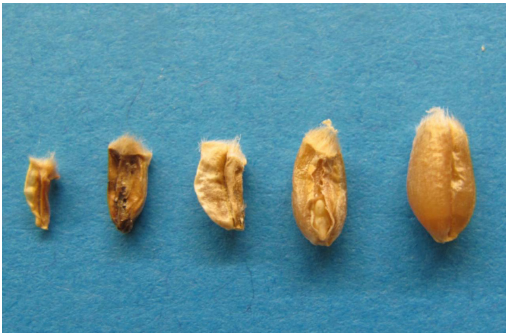
Damage from larval feeding won't be observed until harvest. Heavy feeding can cause kernel abortion and reduced yield. Other symptoms such as small, underdeveloped seed and low test weight can be confused with drought stress. The damage from larval feeding can also facilitate infection by fungal pathogens like Fusarium graminearum (head scab) and Septoria (glume blotch). To distinguish kernel damage from wheat midge larvae from environmental conditions, look for the orange larvae in the grain.
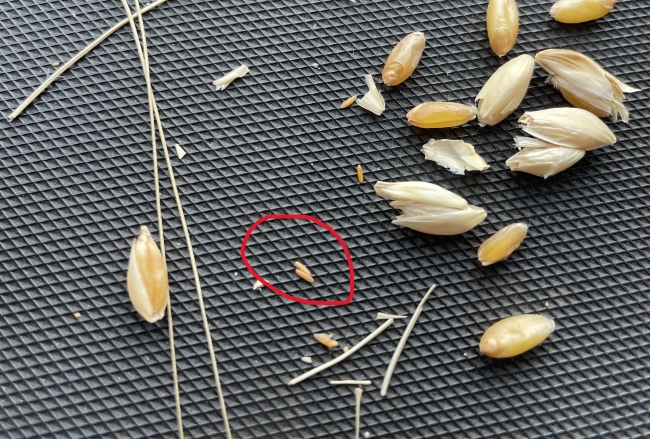
Wheat midge larvae in harvested grain (red circle).
Spring wheat, durum and winter wheat are this pests primary hosts. While barley, rye and other grasses can be infested, damage is much less severe. Crop rotation may not be effective at controlling wheat midge due to the sporadic nature of the outbreaks and the ability of the wheat midge to travel to fields via wind. However, planting non-host crops reduces the acres that can be affected by this pest.
There are durum and spring wheat varieties available which have resistance to wheat midge due to the Sml gene. This resistance gene confers a high level of control, so susceptible varieties are added to the resistant variety as "refuge in a bag." This helps slow the development of resistance to this gene in the wheat midge population.
The best time to apply an insecticide for wheat midge is at 70% heading, which is before we would want to apply a fungicide for Fusarium head blight. The adult wheat midge is difficult to scout for as they don't move around until late in the evening, and windy, cool or dry conditions can reduce movement. The NDSU IPM survey uses traps baited with pheromone lures to estimate wheat midge pressure in the region. However, trap counts may not accurately reflect conditions in individual fields.
The IPM survey also monitors the presence of a parasitic wasp (Macroglenes penetrans) which attacks wheat midge larvae and can provide significant control the following season. The wasp lays eggs in the midge eggs, which eat the wheat midge larvae when they hatch. This can provide up to 75% control of the larvae the following spring. Insecticides should be used only under high levels of wheat midge pressure, to help preserve populations of the parasitic wasp.
Wheat head Armyworm (Dargida diffusa)
Combines full of durum infested with this pest looks like the stuff of nightmares, and I wouldn't blame anyone for wanting to spray. Unfortunately an insecticide application at this stage won't improve grain quality since the damage has already been done.
Wheat head armyworm overwinters in the upper midwest, including North Dakota, as pupae in the soil and emerges in the spring as adult moths. The moths lay eggs in wheat fields or on native grasses. In wheat fields, larvae feed on the heads resulting in damage to the grain (image below). This is rated as insect damage kernels or IDK at the grain elevator and can result in downgrading.
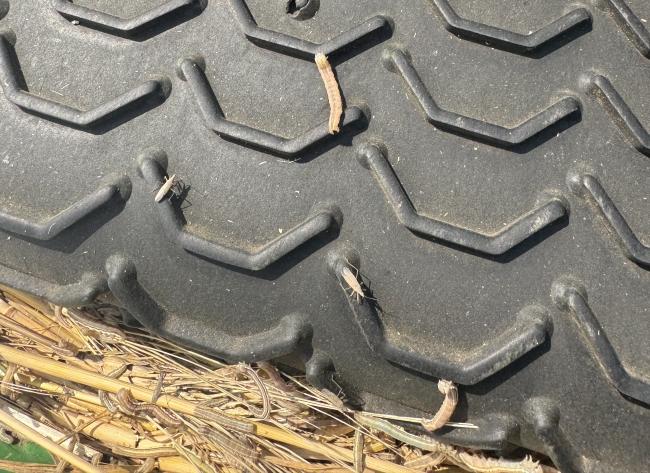
Wheat head armyworms in a combine
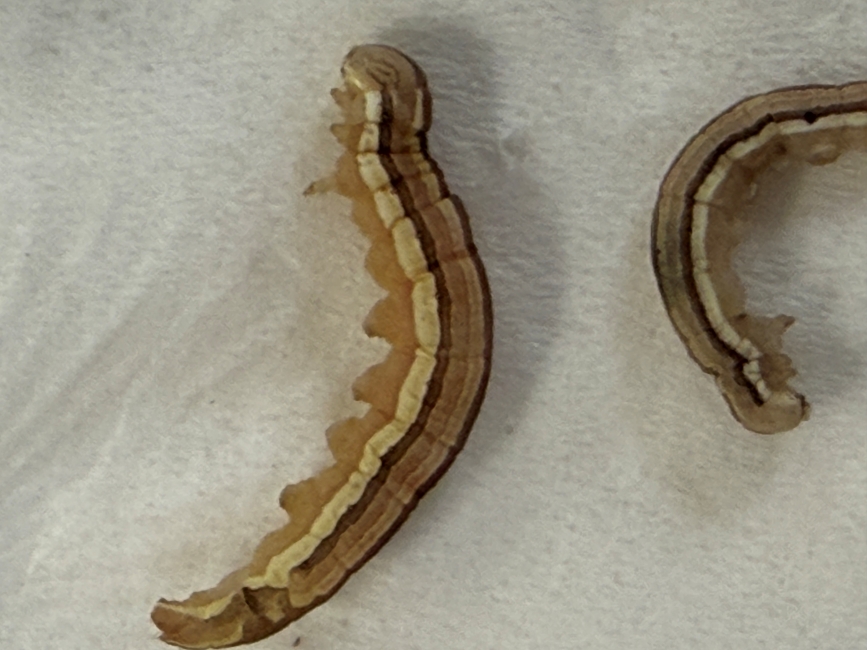
Wheat head armyworm caterpillars can be green or tan, but all have longitudinal white and brown lines down each side of the body (photo credit: S. Erickson).
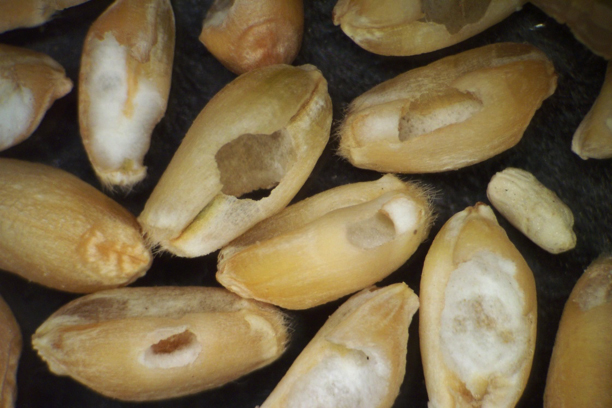
While there are economic thresholds available for treatment earlier in the season (4-5 worms/square foot), control generally isn't recommended beyond the soft dough stage. Overall, most University extension resources I found concluded that scouting or spraying for this pest generally isn't justified due to the sporadic and infrequent damage caused.
Wheat head armyworm adult moths prefer moist, shady areas where wheat or grasses have lodged or been damaged by wind or hail. Damage is typically confined to limited areas of the field. Usually the most affected areas are along the field edges and waterways so one option might be to swath those areas.
Discounts of the grain due to IDK is based on the percentage of grain which is damaged, so blending with non-affected grain could improve the grade.
Caterpillars will die in storage so feeding damage will not continue, however this can elevate moisture in stored grain resulting in mold or spoilage issues. Monitor these bins closely. Proper aeration can help reduce spoilage losses.
Dr. Audrey Kalil, CCA
Agronomist/Outreach Coordinator
Plan Ahead for Planting Winter Wheat Planting
We're at the end of August, which means now is the time to start planning for this fall's winter wheat crop. Recommended planting dates in North Dakota are split into two north-south zones divided by Highway 200. North of Highway 200, the target planting window is the first half of September. South of Highway 200, the target window is the latter half of September.
Successful winter wheat establishment isn't as simple as picking the right planting window and putting seed in the ground. One of the biggest threats to winter wheat is wheat streak mosaic virus (WSMV), a virus vectored by the wheat curl mite.
"Breaking the green bridge" is the terminology most often used when discussing WSMV prevention. Essentially, any green grass growing in or around a field can harbor wheat curl mites. We may think our fields are free of green vegetation after harvest, but think about every hilltop or thin spot you drove over during harvest.
Those areas may have had stinkgrass, foxtails, or barnyardgrass growing in them. These are the areas that can keep wheat curl mites alive and provide a host for them to survive.
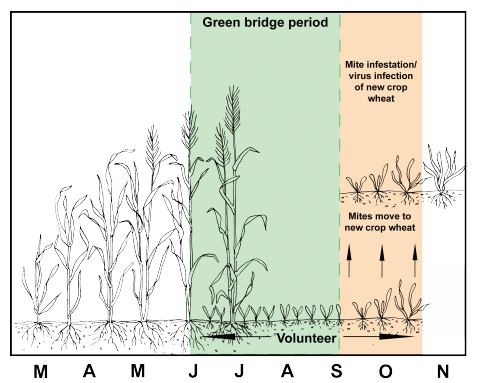
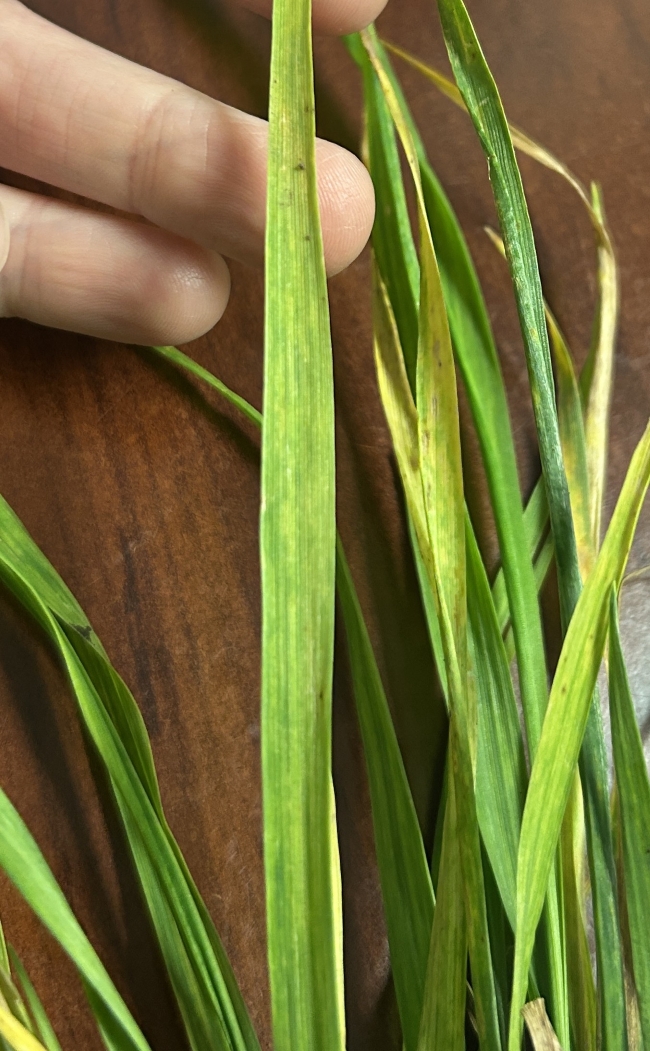
To reduce the risk of immediate WSMV infection, you want to eliminate these green hosts before planting. Spraying out any grass in the field removes the host plants that wheat curl mites depend on. Ideally, you want at least a week with no green vegetation in the field before winter wheat emerges, so plan your glyphosate application and planting dates accordingly.
Another factor that can improve winter hardiness and spring vigor is adequate phosphorus fertility. One of the best things you can do right now is have soil samples taken to determine your phosphorus levels. Knowing your soil fertility status will help you determine the appropriate amount of starter fertilizer to use.
Seed treatment is another management practice worth considering, particularly an insecticide seed treatment. There are many options available, but I've heard positive reports from growers who have used Lumivia CPL. This product has shown success in suppressing grasshoppers and also provides some activity against wireworms.
The biggest takeaway is to plan ahead for fall seeding. Have your soil sampled, break the green bridge by eliminating volunteer wheat and grass hosts, and consider what pests could impact your stand. Taking these steps before planting can help give your winter wheat the best possible start and the protection it needs going into winter.
Kyle Okke, CCA
Agile Agronomy LLC.
Agronomists Happy Hour Podcast
Fall Herbicide Applications to Manage Next Cropping Seasons' Troublesome Weeds
Wild oats and kochia continue to be some of the most competitive and economically damaging weeds in canola, sunflowers, peas, lentils, spring wheat, durum and barley production across the Northern Plains. When left unmanaged, wild oats and kochia infestations compete aggressively for light, moisture, and nutrients; reducing crop yield, lowering grain quality, and increasing overall production costs.
Weed management programs that stack residual herbicides with multiple modes of action can improve early-season weed control, protect yield potential, and support herbicide-resistance management.
How Avadex and Sonalan Work
Triallate is a thiocarbamate herbicide that disrupts lipid production in susceptible grassy weeds. Products such as Avadex® and Far-Go® are absorbed through shoots, roots, and germinating seeds, making them valuable tools for controlling wild oats before they become established.
Sonalan® works as a soil-applied residual herbicide. After it is applied and incorporated, it settles into the upper soil layer where many small-seeded weeds germinate. As weed seedlings begin to sprout through that treated zone, Sonalan interferes with normal root and shoot development, preventing susceptible weeds from establishing.
For best results, these products must be placed properly in the soil where germinating seedlings will encounter the active ingredient. The best way to control a weed is to never let it emerge!
This video demonstrates how these products should be applied and incorporated to get the best performance.
Layered Programs Deliver Better Results
A strong early season weed control base is key to managing weeds all season long. By incorporating Sonalan lOG, Treflan TR-10, or Avadex into your weed control program you are utilizing early season weed control. Layering residual herbicides with in-season weed control programs provides a more complete approach by controlling weeds at multiple germination timings, reducing early crop competition, and helping preserve herbicide effectiveness for future seasons.
Herbicide Resistance Management
Sonalan lOG, Treflan TR-10 and Avadex also play a key role in herbicide-resistance management. Avadex belongs to Group 15 herbicides, while other residual options such as Sonalan and Treflan belong to Group 3. Using multiple modes of action in a layered program helps reduce selection pressure on any one herbicide group. This helps take the pressure off post programs to support long-term weed-control effectiveness.
Conclusion
Soil applied herbicides are an invaluable tool for growers facing persistent weed resistance. When properly applied, incorporated and paired with an effective post-emergence program, Sonalan lOG, Treflan TR-10 and Avadex can improve weed control, increase yield potential, and strengthen resistance-management programs. As resistant weed populations continue to expand, layered residual strategies will remain essential for protecting both crop performance and herbicide longevity.
Marsha Van Laere
Northern Plains Gowan USA